What the research states
Why is DNA important to identifying wellness?
Because two people eating the same food, taking the same supplement, or following the same plan do not get the same result — and part of the reason is written in their genes. Standard dietary guidance was built to prevent disease across whole populations, but there is now substantial evidence that individuals respond very differently to identical diets, and inherited variation is one of the drivers. Single-nucleotide polymorphisms — small one-letter variations that occur roughly every thousand base pairs — are the most common kind of genetic difference, and they can meaningfully change how a person metabolizes nutrients.
What that means in practice: people carrying particular variants in genes such as APOE, FTO and MTHFR show markedly different responses to dietary fat, carbohydrate and folate respectively. Reviews of the field find that the handling of lipids (especially omega-3s), glucose, vitamin A, folate, vitamin D, iron and calcium can all be affected by known variants, which is why the same supplement helps one person and does nothing for another. So a DNA read is the difference between a plan built for the average person and a plan built for you — which is why the Alliance model starts there.
- Established — that genetic variants alter how individuals absorb and metabolize specific nutrients (folate/MTHFR, lactose, caffeine, iron are the textbook cases).
- Emerging — that acting on those variants improves outcomes. The evidence base is real but thin: a 2024 systematic review on iron-related variants found only 21 qualifying studies, nearly all observational and mostly in Caucasian populations.
- Early / contested — consumer DNA diets for weight loss. In the largest randomized test to date, matching people to a low-fat or low-carb diet by genotype produced no significant difference in weight change after twelve weeks, which challenges the predictive value of current genetic panels for that purpose. (That is the DIETFITS trial, JAMA, 2018.)
DNA tells you where your biology is likely to differ from the average — that part is settled.
Turning that into a plan that measurably works is where the science is still being done, which is exactly why the Alliance re-tests on a defined interval rather than trusting the report. It is also why our advisors have a way for you to take action now, with the read as the starting point.
Hear it from the DoctorIs stem cell therapy something a person my age can get now, or is it still a laboratory result?
Both — and the distinction is the whole answer. Stem cells are the body's master cells, the ones that become blood, bone, brain and every organ, and they carry real potential to repair and regenerate tissue. But in the United States, the only stem cell products the FDA has approved are blood-forming cells from cord blood, for a short list of blood-system disorders, with a handful of newer approvals for specific rare diseases; nothing else is approved for general use. Every other stem cell treatment is either inside a clinical trial or being sold outside the rules.
That second category is large. Hundreds, possibly thousands, of clinics offer unproven and unapproved stem cell treatments for everything from sports injuries to neurological disease, and these are not just unapproved but dangerous — in one well-known case three elderly women were blinded by a fat-derived stem cell injection at a Florida clinic. The FDA's own language is blunt: if you are charged for a stem cell product outside a clinical trial, you are likely being deceived and offered it illegally. Exosome therapy, widely sold, has no approval either. Anyone your age can walk into one of those clinics today. That is not the same as the therapy being ready.
- Established — blood-forming stem cell transplants for certain cancers and blood disorders. Decades of use, real survival data.
- Emerging — mesenchymal and other stem cell approaches for heart, joint and neurological conditions. Genuine trials are running under FDA oversight, and some have shown benefit, but results are mixed and nothing has cleared the bar for general use.
- Early — “stem cell” injections and IV infusions sold at cash clinics for aging, pain or Alzheimer's. No approval, no trial, documented injuries.
The science is real and the direction is settled — but the approved list is short.
The gap between what is proven and what is sold is where people get hurt. That is why the Alliance grades every claim and why a cardiologist, not a salesperson, explains stem cells on this site. It is also why our advisors have a way for you to take action now, starting with a read of your own biology rather than an injection.

Dr. Ernst von Schwarz · MD, PhD, FACC · Pacific Heart Medical Group
Close video ×My father is eighty-two and his doctor says “that is just aging.” Is there anyone who looks at it differently?
Yes — and it is no longer a fringe view. A whole field, geroscience, is built on the finding that aging is the single largest modifiable risk factor for most chronic disease, and that heart disease, diabetes, cancer and dementia are not independent conditions but manifestations of one shared biological process. Scientists have mapped that process into twelve “hallmarks of aging,” and the working hypothesis is that if you slow the underlying process, you delay several diseases at once instead of chasing them one by one.
Two facts show how far this has moved out of the laboratory. The World Health Organization now has a diagnostic code — ICD-11 MG2A — for age-associated decline in intrinsic capacity, which means “just aging” is now something a physician can write down, measure and treat. And the FDA has accepted the TAME trial, the first clinical trial designed to delay aging itself as a multi-disease outcome; it is underway now. Many geroscientists believe the mechanisms of aging are both malleable and treatable, and that is being tested in clinics around the world.
For a man of eighty-two, this matters in a practical way. “That is just aging” is often a label placed over things that can be measured: muscle loss, low-grade inflammation, nutrient status, hearing, sleep, the interaction of six medications. The Alliance model does not ask whether he is old. It asks what his read shows, and whether the numbers move.
- Established — that aging is the dominant risk factor for chronic disease, and that the hallmarks of aging are real, measurable processes (genomic instability, cellular senescence, mitochondrial decline, chronic inflammation and the rest).
- Emerging — that treating those processes delays disease in people. Trials of metformin, senolytics, GLP-1 agonists and NAD precursors are running; results are early, and the same textbook that lays out the science warns that it has also spawned unregulated and often harmful pseudomedicine.
- Early — any claim that aging can be reversed. No honest voice promises that, and the Alliance does not.
“Just aging” is a description, not a diagnosis.
The science now treats aging as a process with named mechanisms, some of which move when you act on them. That is why the Alliance starts with a read rather than an age, and why it re-tests — so a father of eighty-two can see for himself whether anything changed. It is also why our advisors have a way for you to take action now, with the read as the starting point.
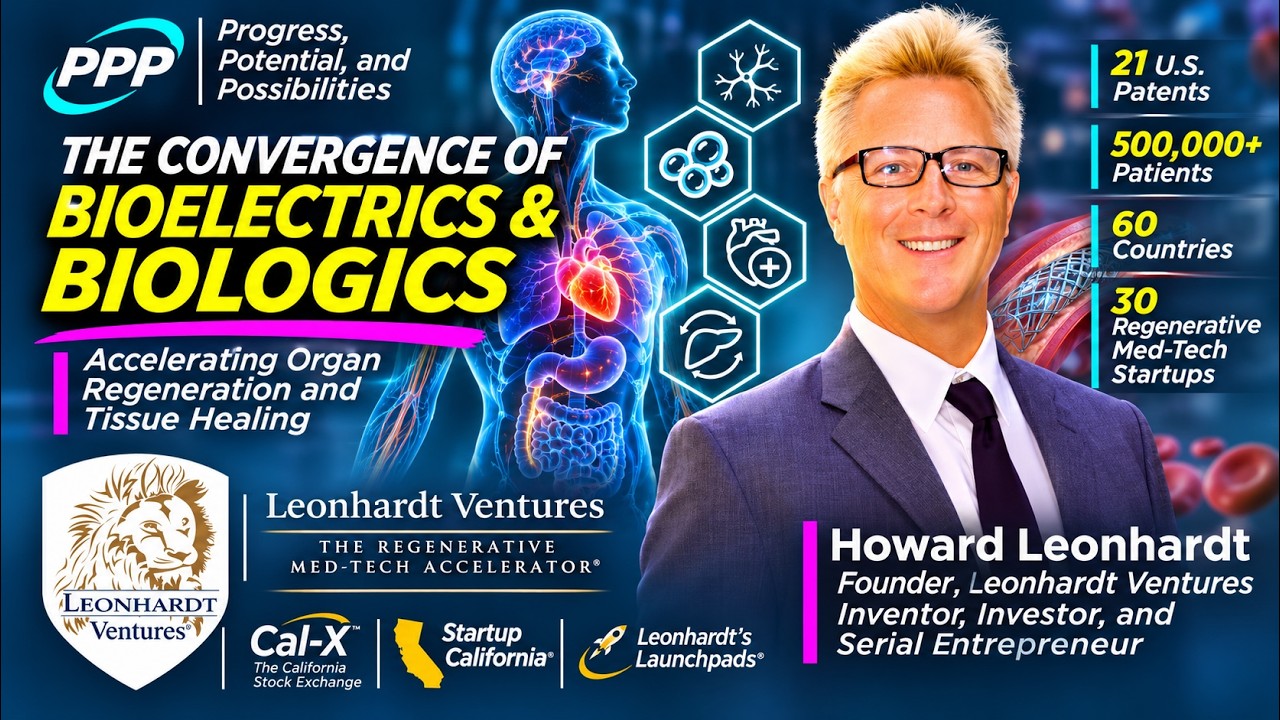
Dr. Howard Leonhardt · Founder · Lionheart Health & Leonhardt Ventures
Close video ×I run a chiropractic practice. How does a practice like mine fit into a longevity model?
More directly than most physicians would guess — because a chiropractic practice already does the two things a longevity model cannot run without: it sees patients regularly, and it treats the body as a structure rather than a list of complaints. The Alliance's five steps — read, interpret, intervene, measure, deliver — need a room where the patient actually shows up, week after week, and where someone puts hands on the body and notices what changed. That is the “structural” line in step three, and it is a chiropractor's lane.
The evidence for where that fits is specific. Falls are the leading cause of fatal and nonfatal injury among Americans over sixty-five, with more than a quarter of older adults reporting a fall in the past year, and pain is an independent risk factor for falling. A systematic review found that multimodal chiropractic care has the potential to address several of the factors that drive fall risk at once — reduced strength and flexibility, chronic pain and polypharmacy, diminished proprioception, and compromised gait and balance — rather than one at a time. A 2024 matched cohort study of adults sixty-five and older with spinal pain found those receiving spinal manipulation had a reduced risk of falls over thirteen months compared with matched controls, though the authors are clear it was observational and the clinical significance remains uncertain.
So the fit is this: the DNA read and the physicians' interpretation tell you what a patient's biology is likely to do. The chiropractic practice is where that plan becomes a body that moves, holds its balance, and comes back to be measured. In the Alliance, that practice is not a referral at the end of the line. It is the delivery point.
- Established — spinal manipulation for spine-related pain. Considerable evidence, decades of it.
- Emerging — chiropractic care and balance, gait and fall risk in older adults. The signal is consistent across small trials and one large observational study, but the randomized trials that would settle it have not been run.
- Early — any claim that adjustment itself extends life or treats a chronic disease. Nobody in the Alliance makes it.
A longevity model is only as good as the room a patient walks into every week.
A chiropractic practice already has that room. What the Alliance adds is the read at the front and the measurement at the back, so the practice can show, not say, that its patients are moving better than they were. It is also why our advisors have a way for you to take action now, with the read as the starting point.

Dr. John E. Hunt, DC · Hunt Chiropractic Centers · SoCal PI Chiropractic
Close video ×